NIDA P50 Center of Excellence · UC San Diego · 2026–2031
Decoding addiction across substances
Most people who use alcohol or drugs never become addicted. This center exists to discover, in the biology of genes, cells, brain networks, and the gut, why some do.
The Approach
Six scales, nine orders of magnitude, one individual
PARC maps, models and manipulates the behavioral, neural, cellular, molecular and immunometabolic drivers of addiction across multiple drugs. Heterogeneous stock rats undergo one coordinated, multiscale analysis, from genes to molecules to brain networks to behavior, producing the One-Individual Multiscale Atlas.
Marks on the scale rail are orders of magnitude, not measurements. All projects draw from the same longitudinal cohorts and test multiple samples from the same animals, uniting traditionally siloed data streams within single subjects and integrating them with human omics and imaging datasets.
01
20 cm
Behavior
Behavioral Phenotyping Core
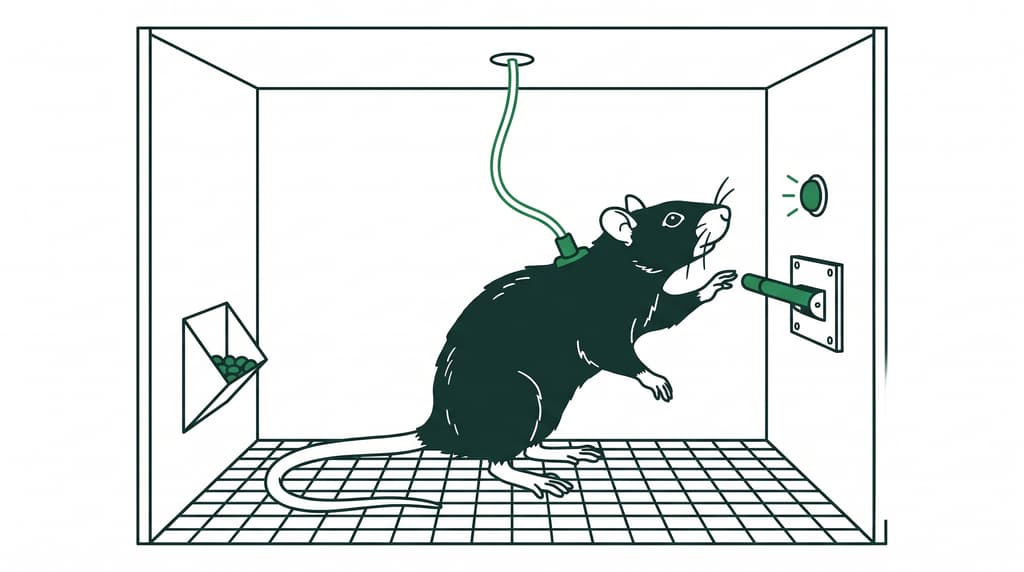
Deep phenotyping of addiction-like behaviors (escalation, motivation, compulsivity, analgesia, hyperalgesia, withdrawal) through operant and AI-enabled video analysis, scored for addiction severity across sex and drug.
Measured for
- Cocaine
- Oxycodone
- Alcohol
- Cocaine + oxycodone
02
5 cm
Gut & vagus nerve
Project 3: Gut–Vagus Multiomics
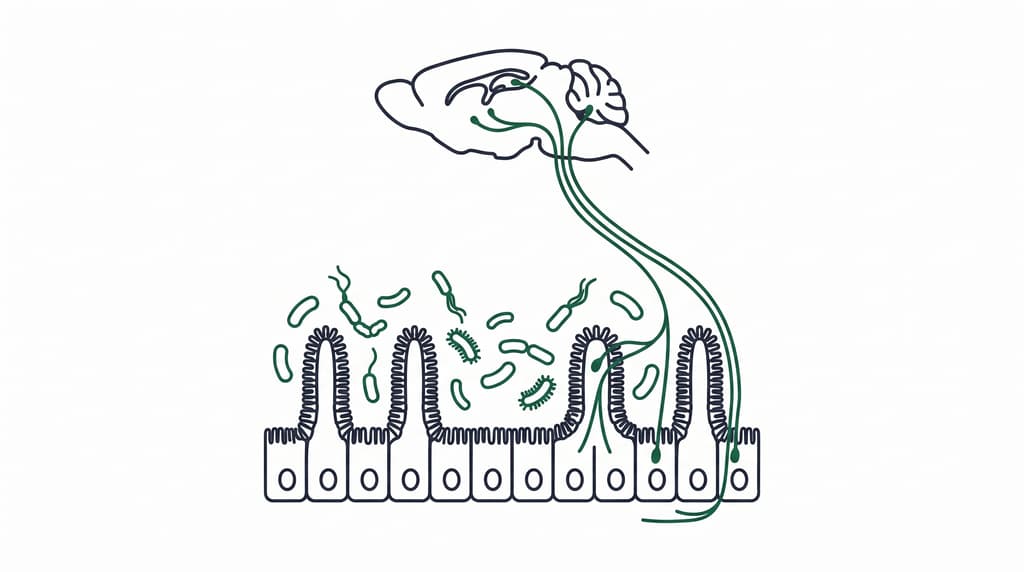
Gut–vagus multiomics profiling of gut–vagus axis dysfunction: microbiome function, intestinal barrier integrity and vagal signalling, and the immunometabolic drivers they carry to the brain.
03
10 mm
Brain networks
Project 2: Brain Connectomics
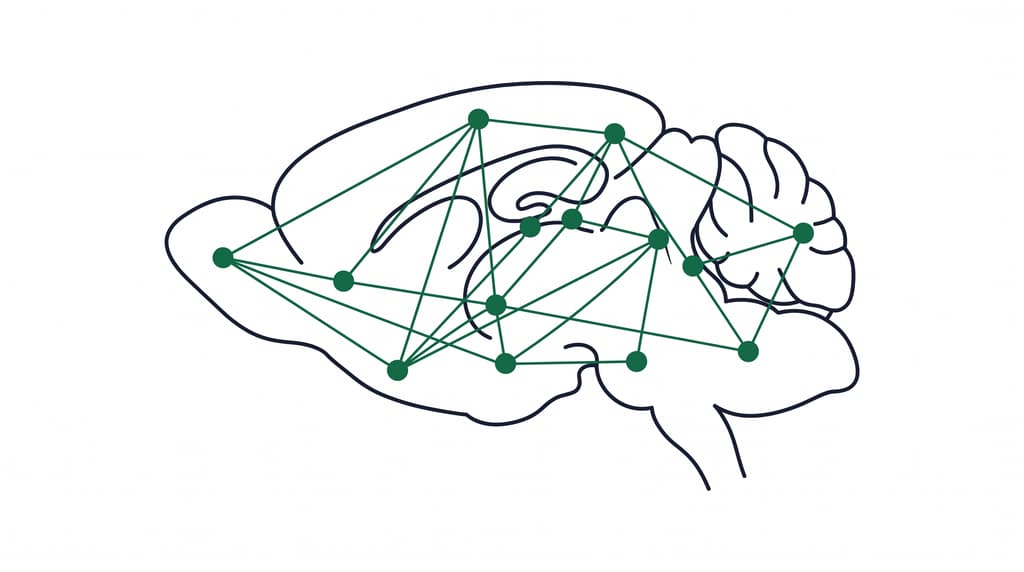
Longitudinal fMRI and single-cell whole-brain activity imaging (scWBI) capture the large-scale reorganization of brain networks, locating the cross-drug hubs that promote addiction-like behaviors.
04
10 µm
Cells & gene expression
Project 1: Brain Transcriptomics
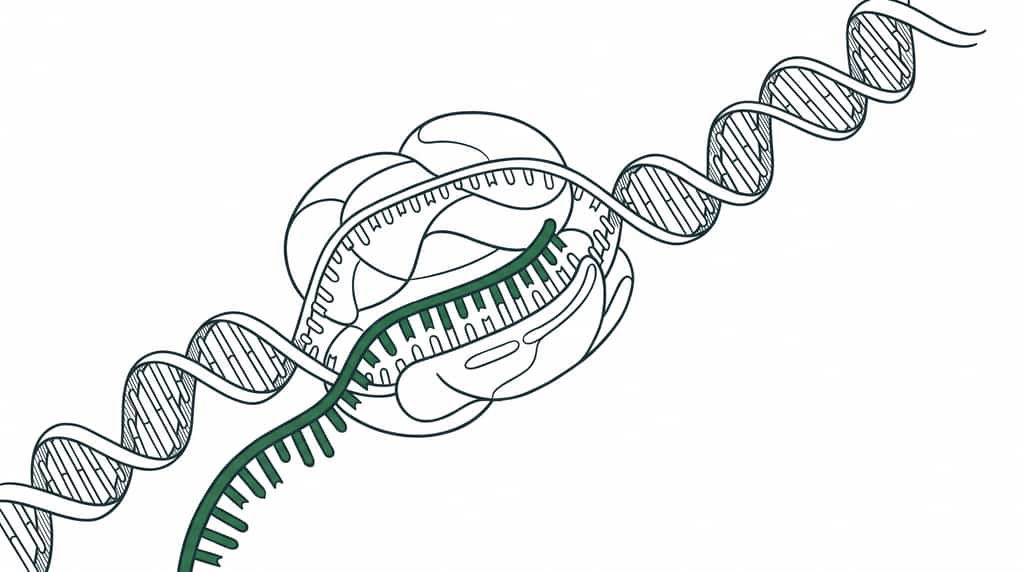
Single-cell RNA-seq resolves the cell-type-specific transcriptional programs altered by each drug and drug combination, in tissue collected during prolonged abstinence.
05
10 nm
Molecules & proteins
Projects 1–3
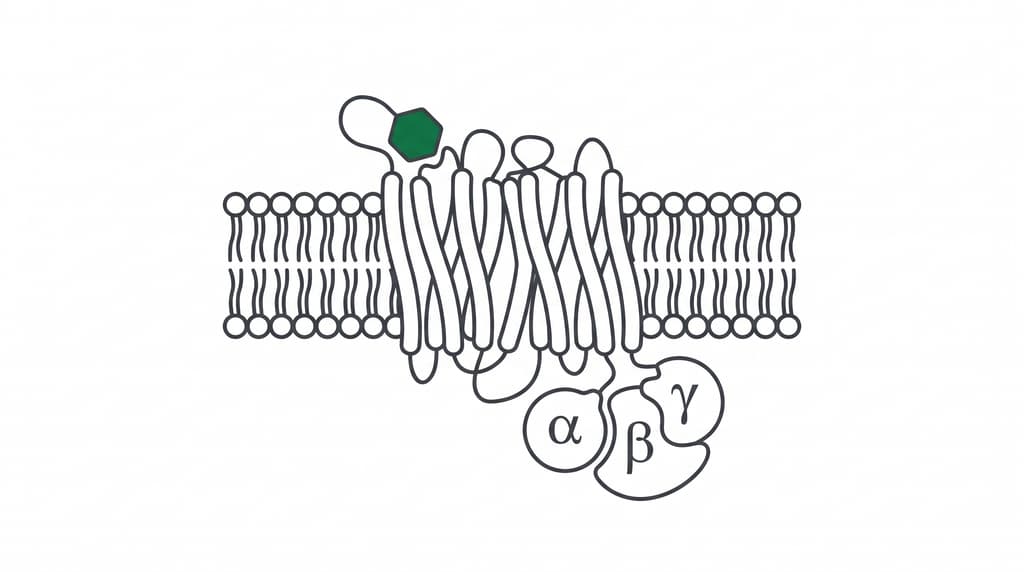
- CRFBP
- GLO1
- CHRM4
- gp130
Druggable addiction hubs. A convergent transcriptomic and immunometabolic fingerprint (metabolic and cellular stress, excitatory/inhibitory imbalance) tested causally with pharmacological and viral approaches.
06
2 nm
Genome
Computational & Analytical Core
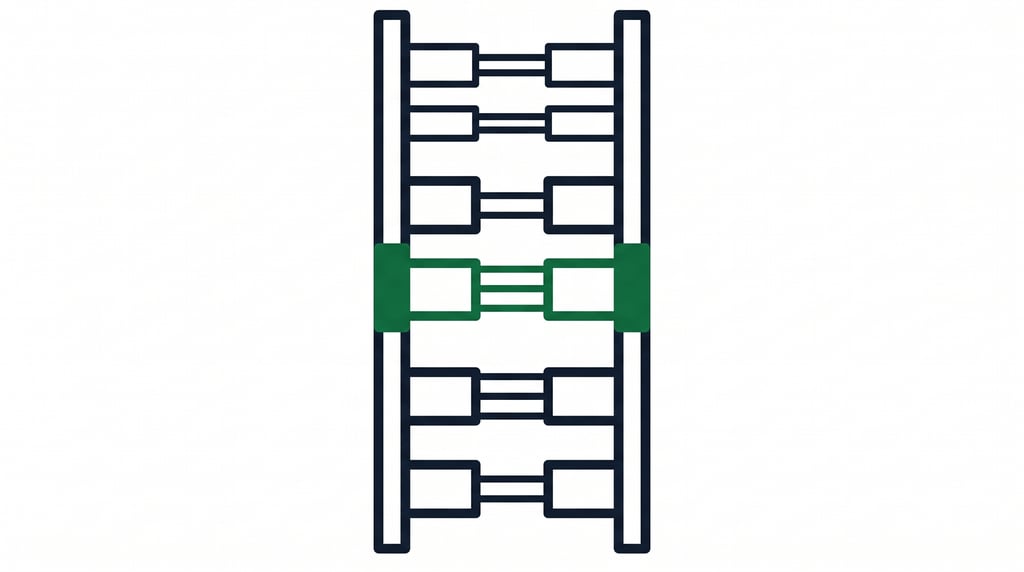
Heterogeneous stock rats, whole-genome sequenced: the genetic variation that anchors every other measurement and yields polygenic scores and predicted transcriptomes.
The Research
Three studies of one population
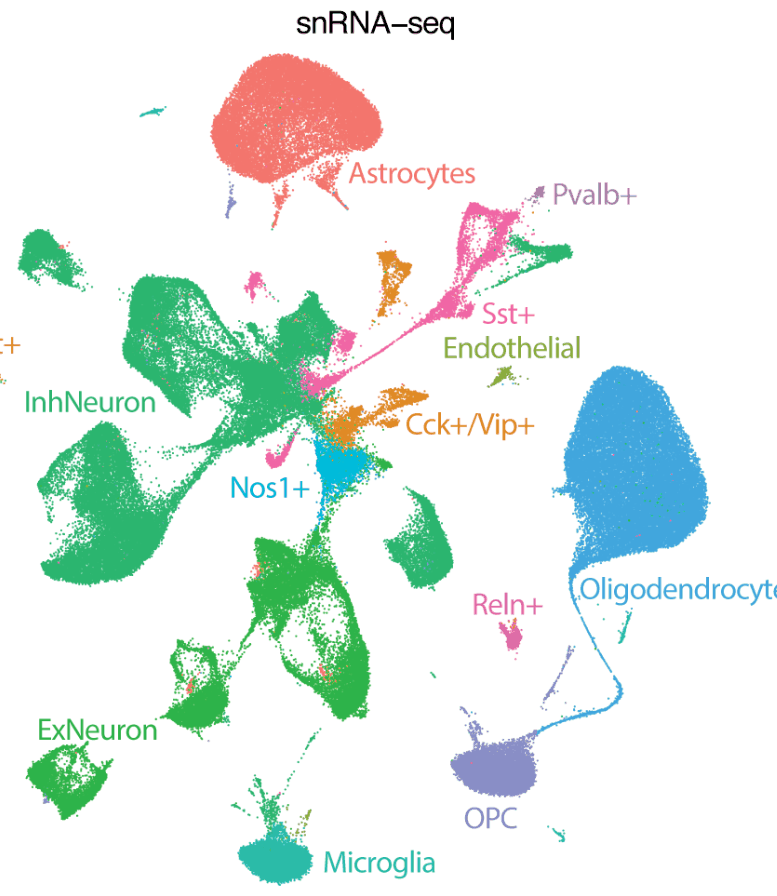

Brain Transcriptomics
Mapping cell-type-specific gene expression changes in the nucleus accumbens after single- and polydrug self-administration, and testing top candidate targets causally, integrated with human single-cell datasets.
Read the study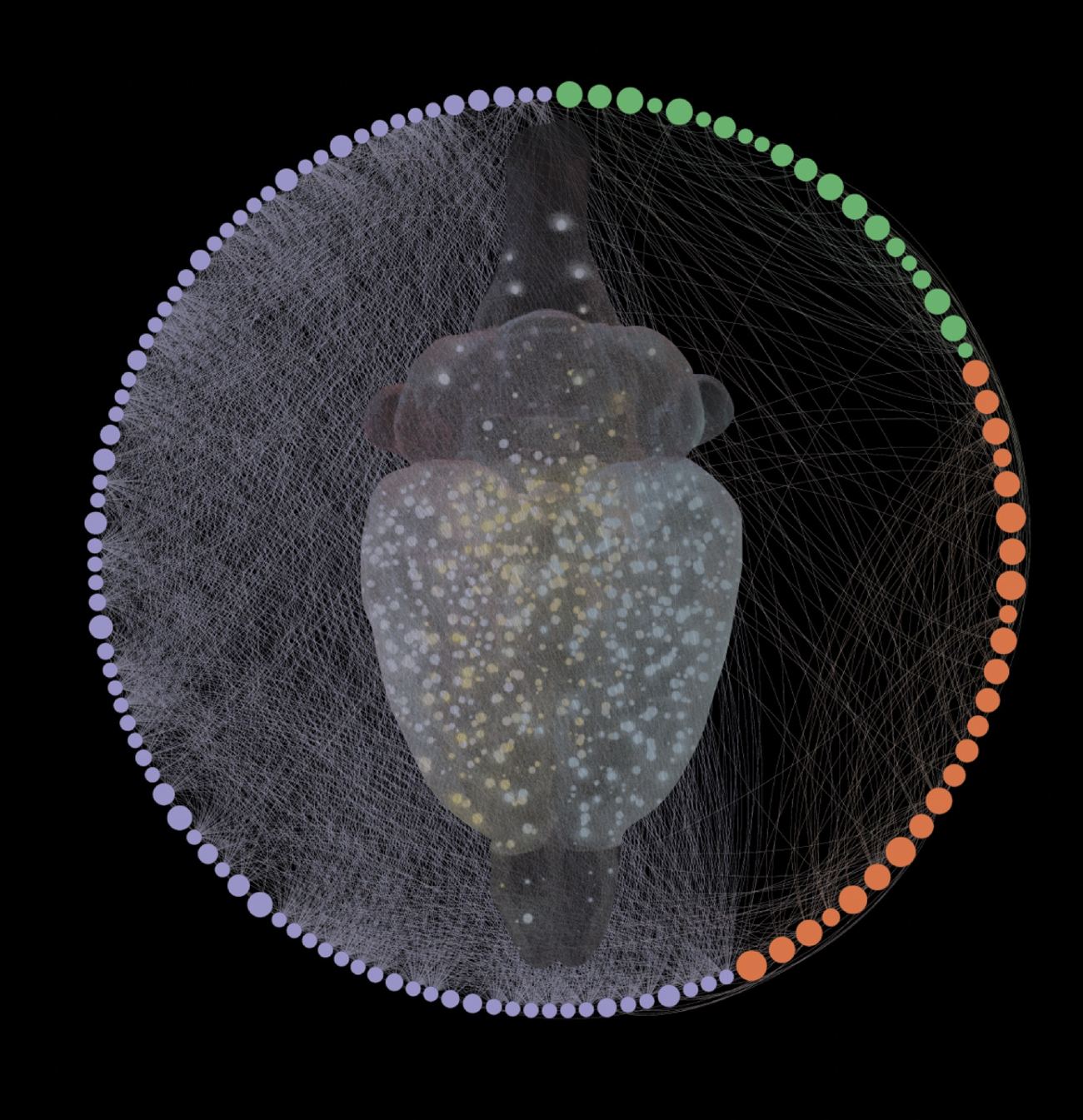
Brain Connectomics
Generating whole-brain connectivity maps, longitudinal MRI plus single-cell activity imaging, in genetically diverse rats to define brain endophenotypes of addiction across alcohol, stimulants, opioids, and their co-use.
Read the study

Gut–Vagus Multiomics
Testing how drug-induced disruption of gut homeostasis and vagus nerve function drives substance-seeking behavior, and whether restoring mAChR4/gp130 signaling along the gut–vagus–brain axis can protect against addiction.
Read the study“Understanding addiction begins with measuring it, one individual at a time.”
The founding principle of the center
The Resource
Open to the field
The Addiction Biobank
Roughly 40,000 specimens from nearly 4,000 behaviorally characterized, whole-genome-sequenced rats. Every vial linked to its donor's addiction phenotype. Seventy-five collaborations and counting.
Request samples
The One-Individual Multiscale Atlas
Brain connectomics, transcriptomics, and gut–vagus–brain biology measured in the same individual animals, so mechanisms can be connected, not just compared.
How the Atlas worksPilot Funding
Seed grants of up to $10,000 for projects that use center resources, from biomarker discovery to novel therapeutics. All career stages considered.
Apply for pilot fundingExplained
Addiction science, in plain language
Same disorder, two species: how the center compares rat and human data
Animal findings often fail to translate because the models never mirrored human diversity. PARC embeds rodent-human comparison into every project, from genes to brain networks to the gut.
Read the essayWhat animal models can (and can't) tell us about addiction
Rats will voluntarily self-administer the same drugs humans misuse, and a minority develop compulsive use. Here's how animal models work, why they're trusted, and where their limits lie.
Read the essayFrom rat to medicine: how a lab finding becomes an addiction treatment
The path from a discovery in animals to an approved medication runs through validated models, mechanism studies, and pre-IND data packages. Here's how the pipeline works.
Read the essayCurrently
In the journal
- PARC Pilot Awards 2026: applications due October 15
- UC San Diego announces $12.6 million NIDA award to launch PARC
- Journal club resumes: next-generation weight-loss drugs and the brain's reward circuitry