
Olivier George, PhD
Center Director
Professor, Psychiatry
Animal models, medication development, neurobiology, neuropharmacology
People
Center Director
Professor, Psychiatry
Animal models, medication development, neurobiology, neuropharmacology

Scientific Coordinator
Assistant Project Scientist, Psychiatry
Cellular neurophysiology, addiction neuronal networks, cannabinoids
Administrative Coordinator, Addiction Biobank Manager
UC San Diego
Center Director · Administrative Core Lead · Addiction Biobank Core Lead
Professor, Psychiatry
Animal models, medication development, neurobiology, neuropharmacology
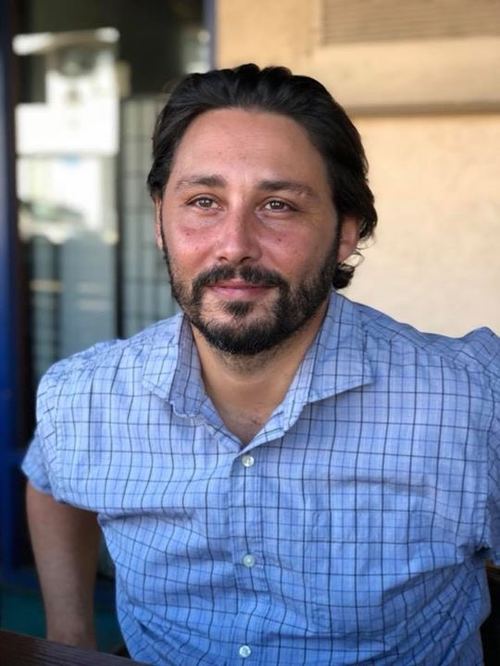
Olivier George, PhD, is a Professor at the University of California San Diego, School of Medicine, in the Department of Psychiatry. He is the Director of the Cocaine and Oxycodone Biobanks and a Project Lead in the Alcohol Research Center at the Scripps Research Institute. Dr. George received his PhD from the University of Bordeaux (France) and did postdoctoral work on animal models of addiction at The Scripps Research Institute with Dr. Koob before joining the faculty in 2013. His studies span multiple levels of approaches, from molecular to integrated systems, using state-of-the-art animal models of addiction with strong translational relevance. Dr. George made several breakthrough discoveries, including identifying neuronal ensembles of compulsive alcohol and nicotine use and discovering a novel neuronal population that drives negative emotional states in nicotine addiction. He pioneered novel animal models of nicotine, opioid, and alcohol addiction using vapor inhalation and has contributed to the development of several Investigational New Drugs. His recent work focuses on unveiling the genetic basis of addiction and identifying brain-wide functional architecture remodeling in addiction.

Project 1 (Brain Transcriptomics) Co-Lead
Associate Professor, Psychiatry
Single-cell transcriptomics and epigenomics, computational biology
Christine Cheng, PhD, is an Associate Professor In Residence in the Department of Psychiatry at UC San Diego. Her laboratory combines wet-lab (experimental) and dry-lab (computational) research to study transcriptional regulatory networks and how aberrant regulatory circuits contribute to human disease. The lab uses single-cell droplet-based technology to simultaneously profile the transcriptome and epigenome of thousands of single cells, applying these assays and computational methods to heterogeneous clinical tissue samples, including opioid use disorder and Alzheimer’s disease patient samples, with the goal of finding diagnostic markers and therapeutic targets. Dr. Cheng received her MS in Computer Science from Stanford University and her PhD in Bioinformatics and Systems Biology from UC San Diego, followed by postdoctoral training with Dr. Aviv Regev at the Broad Institute of MIT and Harvard.
Project 1 (Brain Transcriptomics) Co-Lead
Associate Professor, Psychiatry
Gene regulation, epigenetics, functional genomics, substance use disorders
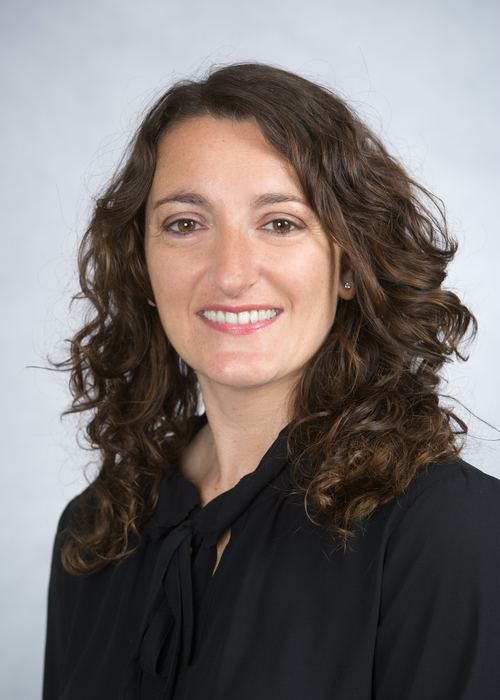
Francesca Telese, PhD, is an Associate Professor in the Department of Psychiatry at UC San Diego. Her laboratory studies the mechanisms of gene regulation that contribute to neuronal plasticity and behavior, combining molecular, cellular, and behavioral studies with state-of-the-art functional genomics techniques to dissect the tissue- and cell type-specific gene regulatory mechanisms underlying the neurobiology of substance use disorders. Dr. Telese received her PhD in Neuroscience from the University of Naples (Italy) and completed postdoctoral training in neuroepigenetics at UC San Diego. She is Principal Investigator of NIH-funded work on multiomic profiling of cell types mediating opioid use disorder in rats.
Project 2 (Brain Connectomics) Co-Lead
Assistant Professor, Psychiatry
Rodent neuroimaging, functional connectomics, single-cell whole-brain imaging
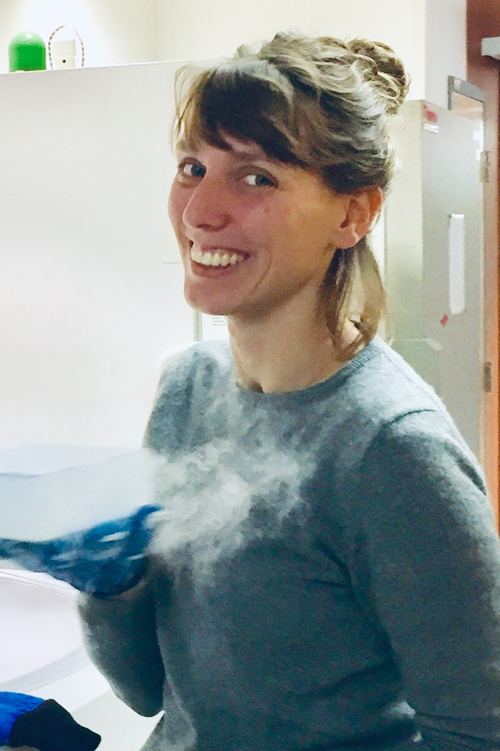
Lieselot Carrette, PhD, leads a research group within the Department of Psychiatry at UC San Diego studying neurodevelopmental and substance use disorders with the help of rodent neuroimaging. She received her PhD in Chemistry from Ghent University (Belgium) and completed postdoctoral training in molecular biology at Massachusetts General Hospital and in neuroscience at The Scripps Research Institute. Her work applies longitudinal multiparametric magnetic resonance imaging to outbred rats with variable vulnerability to compulsive alcohol and oxycodone use, and she is Principal Investigator on NIH-funded projects in this area (R01AA031958, R03DA064666).
Project 2 (Brain Connectomics) Co-Lead
Associate Clinical Professor, Psychiatry
Neurocognition of substance use, comorbid mental illness
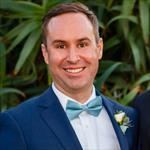
Benjamin McKenna, PhD, is an Associate Clinical Professor in the Department of Psychiatry at UC San Diego. His research focuses on understanding the neurobiology and associated cognitive functions impacted by substances of abuse and on interactions between addictions and other mental illnesses, with the goal of improving treatments for patients with comorbid mental health and substance use diagnoses. He is also a Staff Psychologist in the Veterans Affairs San Diego Healthcare System, where he works with Veterans with mood disorders.

Project 3 (Gut–Vagus Multiomics) Co-Lead
Assistant Professor, Medicine
Gut–liver axis, intestinal microbiota, mucosal immunology
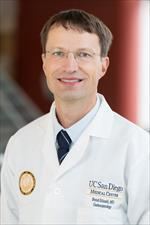
Cristina Llorente, PhD, is an Assistant Adjunct Professor in the Department of Medicine at UC San Diego. She holds a degree in Biochemistry, and her translational research program focuses on the gut–liver axis, demonstrating that disruptions in the intestinal mucosal barrier, including the microbiota, epithelium, and immune system, are key drivers of liver disease progression. Her team demonstrated that gastric acid suppression promotes alcohol-associated liver disease by inducing the overgrowth and hepatic translocation of Enterococcus species, identified cytolysin as a strong predictor of mortality in alcohol-associated hepatitis, and developed a precision bacteriophage therapy targeting cytolysin-producing E. faecalis.
Project 3 (Gut–Vagus Multiomics) Co-Lead
Professor, Medicine
Gut microbiome, gut–liver axis, alcohol-associated liver disease
Behavioral Phenotyping Core Lead · Addiction Biobank Core Co-Lead
Associate Professor, Psychiatry
Behavioral models, neurocircuitry, optogenetics, pharmacogenetics
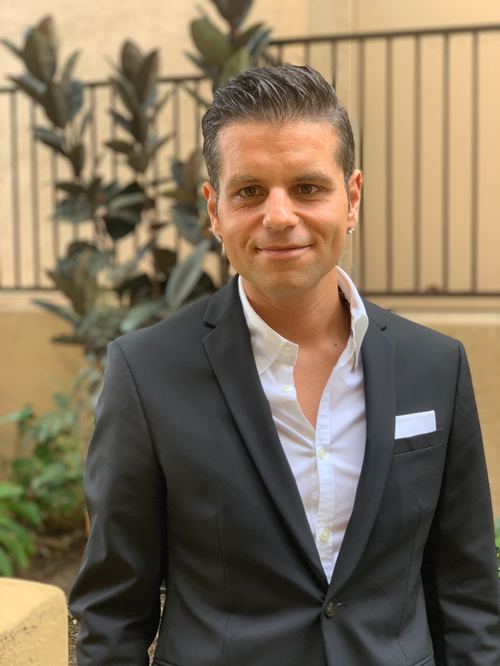
Giordano de Guglielmo, PharmD, PhD, is an Associate Professor In Residence in the Department of Psychiatry at UC San Diego. His research program focuses on the neural circuits of addiction, with an emphasis on critical molecular and cellular mechanisms responsible for the adverse behavioral outcomes associated with substance use and dependence. He obtained his PharmD (2009) and PhD in Physiology and Pharmacology (2013) from the University of Camerino (Italy) and trained in neuropharmacology at The Scripps Research Institute in the laboratory of Dr. Olivier George, where his studies focused on the identification and characterization of neuronal ensembles responsible for alcohol withdrawal in rats. He is a recipient of the NARSAD Young Investigator Award.

Computational & Analytical Core Co-Lead
Associate Professor, Obstetrics, Gynecology & Reproductive Sciences
Computational genomics, bioinformatics, translational research infrastructure
Kathleen Fisch, PhD, is an Associate Professor in the Department of Obstetrics, Gynecology and Reproductive Sciences at UC San Diego. She serves as the Director of the ACTRI Translational Research Hub, which encompasses the Center for Computational Biology & Bioinformatics (CCBB), the ACTRI BRIDGE Lab, and the ACTRI Biobank, and as Co-Director of the UC San Diego Center for Perinatal Discovery. In these roles, she spearheads computational genomics and bioinformatics support and infrastructure for translational research across UC San Diego Health Sciences. Dr. Fisch received her PhD in Ecology with an emphasis in population genetics from UC Davis and completed postdoctoral training in computational genomics and bioinformatics at Scripps Research.

Computational & Analytical Core Co-Lead
Professor, Psychiatry
Behavioral genetics, GWAS in model organisms, rat and human genetics
Abraham Palmer, PhD, is a Professor in the Department of Psychiatry at UC San Diego. His laboratory studies the relationship between genotype and phenotype, especially behavioral phenotypes, with funded projects spanning humans, rats, mice, and zebrafish. A major focus of his work is developing and refining methods for genome-wide association studies (GWAS) in model organisms and integrating these results with expression QTLs and other omics to identify specific, testable hypotheses about the relationship between genes and behavior. He is a Fellow of the American Academy for the Advancement of Science and the American College of Neuropsychopharmacology, and a recipient of the IBANGS Distinguished Investigator Award.
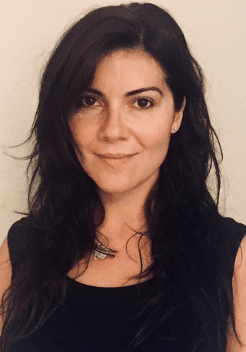
Assistant Adjunct Professor, Psychiatry
Behavioral models, electrophysiology
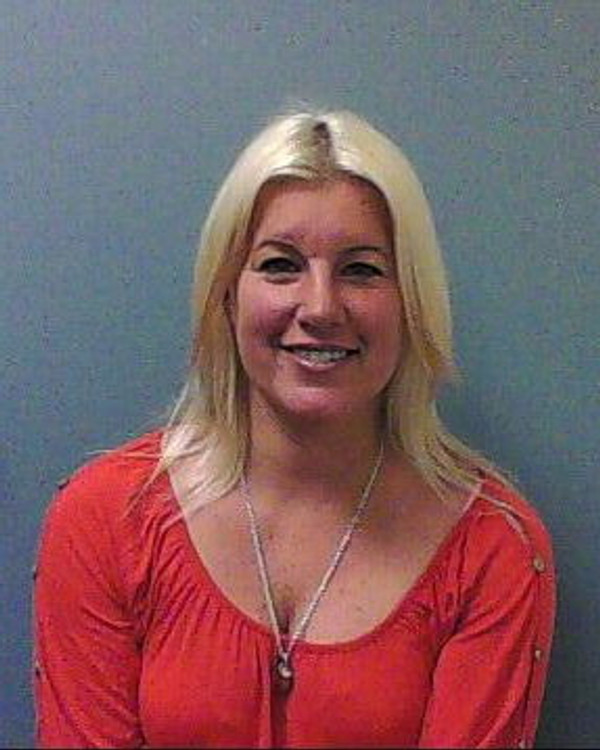
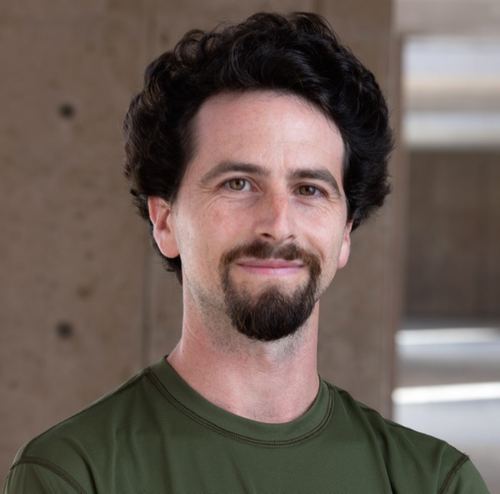
Dr. Kallupi has been working in the field of drug addiction for over 10 years. She has contributed to the development of unique experimental methodologies to investigate the neurobiological basis of relapse and to identify novel effective pharmaco-treatments for cocaine and nicotine addiction. Her scientific work focuses on the ways in which discrete neuronal circuits shape behavior, specifically with regard to drug use and stress. Using electrophysiology, Dr. Kallupi studies the cellular activity of neurons in brain regions related to drug addiction at distinct time points of drug intake and withdrawal. She has published over 40 research papers in international journals, including Nature Communications, Science Advances, PNAS, Biological Psychiatry, and Neuropsychopharmacology, and has received awards from NIAAA, the European Foundation for Alcohol Research (ERAB), and the International Narcotics Research Conference (INRC).

Adjunct Professor, Anesthesiology
Neuroanatomy, neuropharmacology, cell biology, adult neurogenesis
The general goal of Dr. Mandyam’s laboratory is to understand the relationship between brain structure and function using state-of-the-art molecular and cellular approaches to study high-level mental functions such as drug and alcohol taking and seeking. The lab employs genetic, pharmacological, electrophysiological, and histochemical techniques, along with behavioral paradigms, to understand the role of neuronal plasticity and blood–brain barrier dysfunction in drug pathology. Dr. Mandyam received her PhD in Neuropharmacology from the University of Houston and completed postdoctoral training at UT Southwestern Medical Center and The Scripps Research Institute.
Investigators who have used or contributed samples through the Addiction Biobank and collaborated on PARC-related research projects.