
Blog
Understanding Addiction Science
Why do some people become addicted while others don't? What does addiction actually change in the brain, and can it be undone? Here our scientists answer the questions we hear most often, in plain English, with the evidence to back every answer.
-
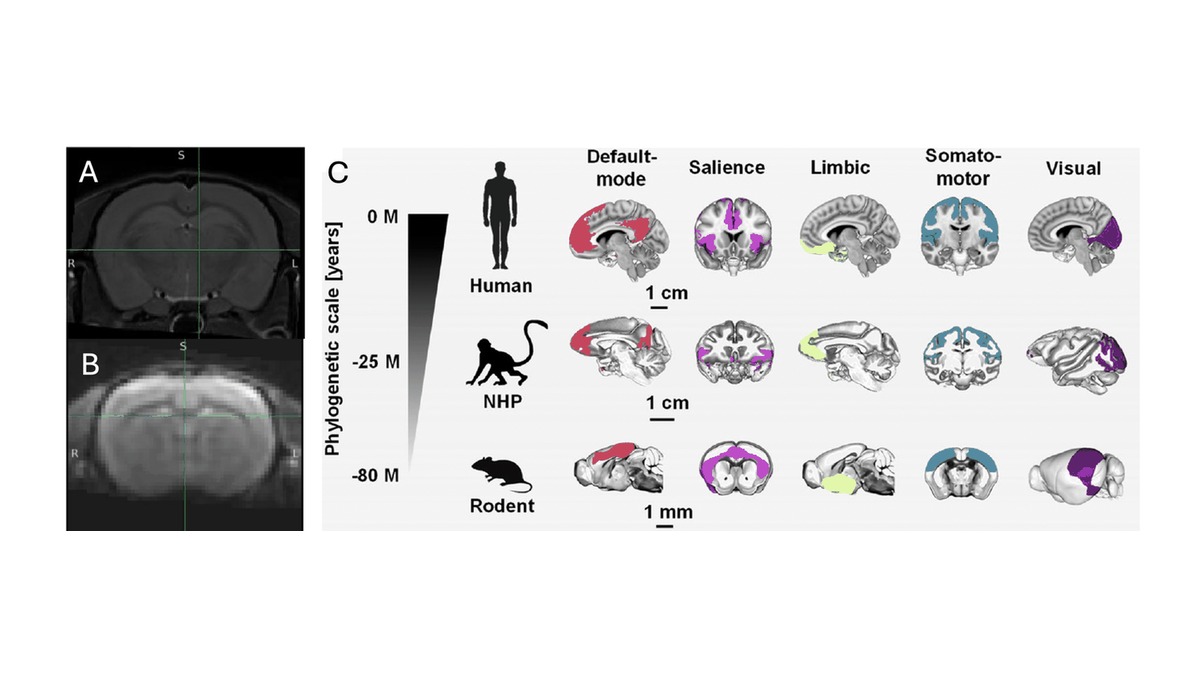
Same disorder, two species: how the center compares rat and human data
Animal findings often fail to translate because the models never mirrored human diversity. PARC embeds rodent-human comparison into every project, from genes to brain networks to the gut.
-
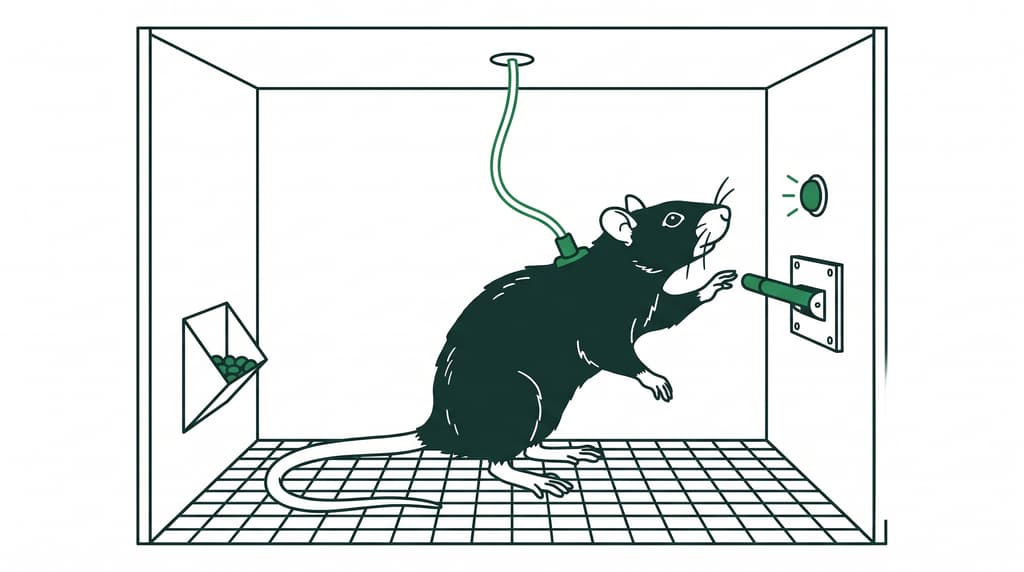
What animal models can (and can't) tell us about addiction
Rats will voluntarily self-administer the same drugs humans misuse, and a minority develop compulsive use. Here's how animal models work, why they're trusted, and where their limits lie.
-
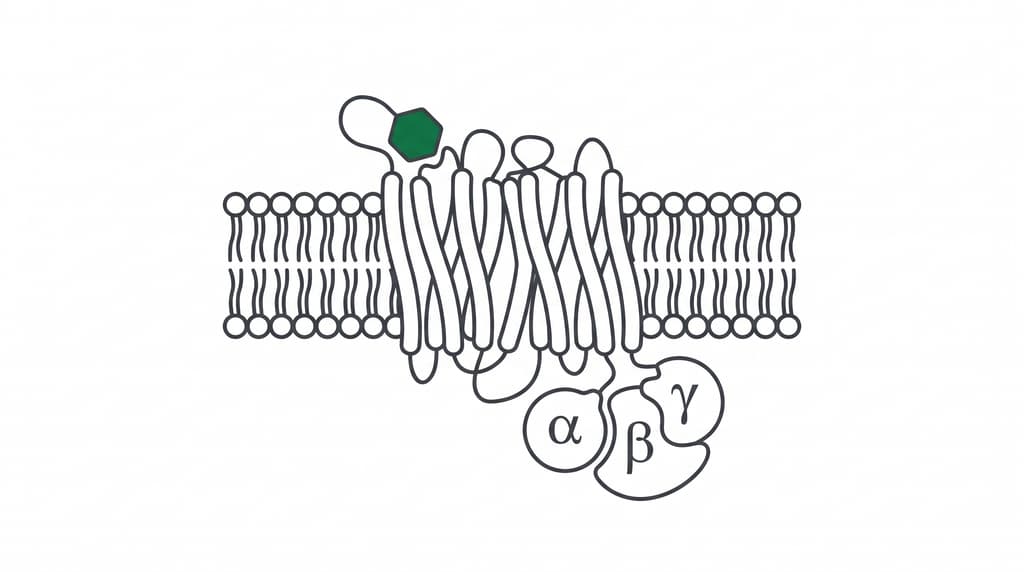
From rat to medicine: how a lab finding becomes an addiction treatment
The path from a discovery in animals to an approved medication runs through validated models, mechanism studies, and pre-IND data packages. Here's how the pipeline works.
-
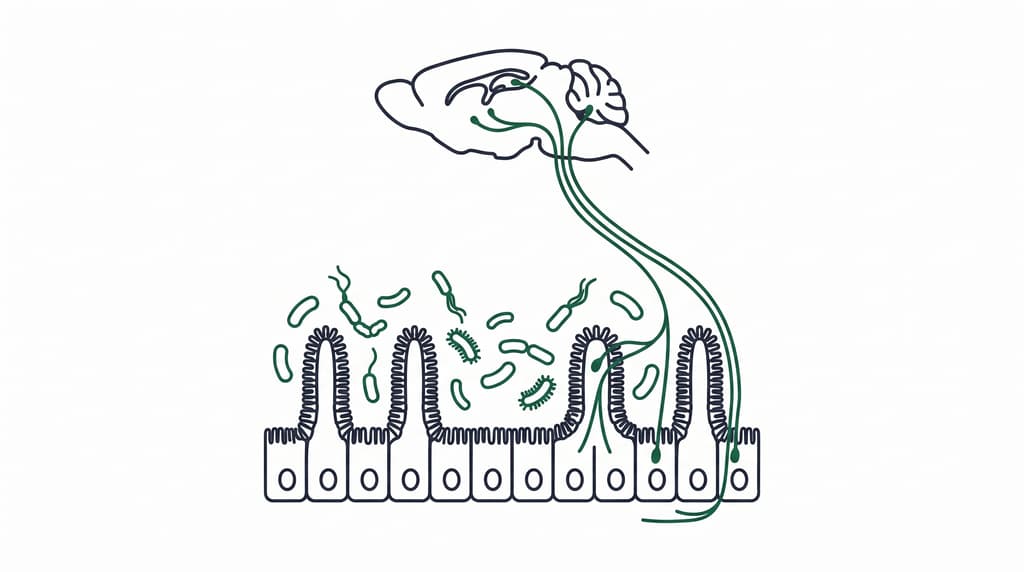
The gut–brain axis: how your microbiome talks to your brain, and what it means for addiction
Trillions of gut microbes communicate with the brain through the vagus nerve, immune signals, and metabolites. Evidence is mounting that this axis shapes addiction.
-
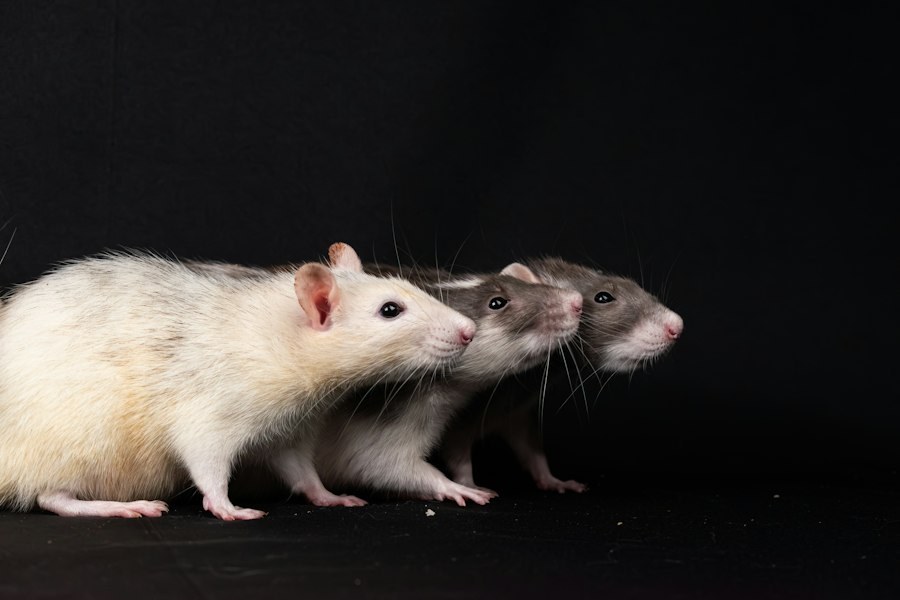
Heterogeneous stock rats: a genetically diverse population for studying addiction
HS rats descend from eight founder strains bred together for decades, producing genetic diversity that mirrors a human population, the key to finding addiction genes.
-
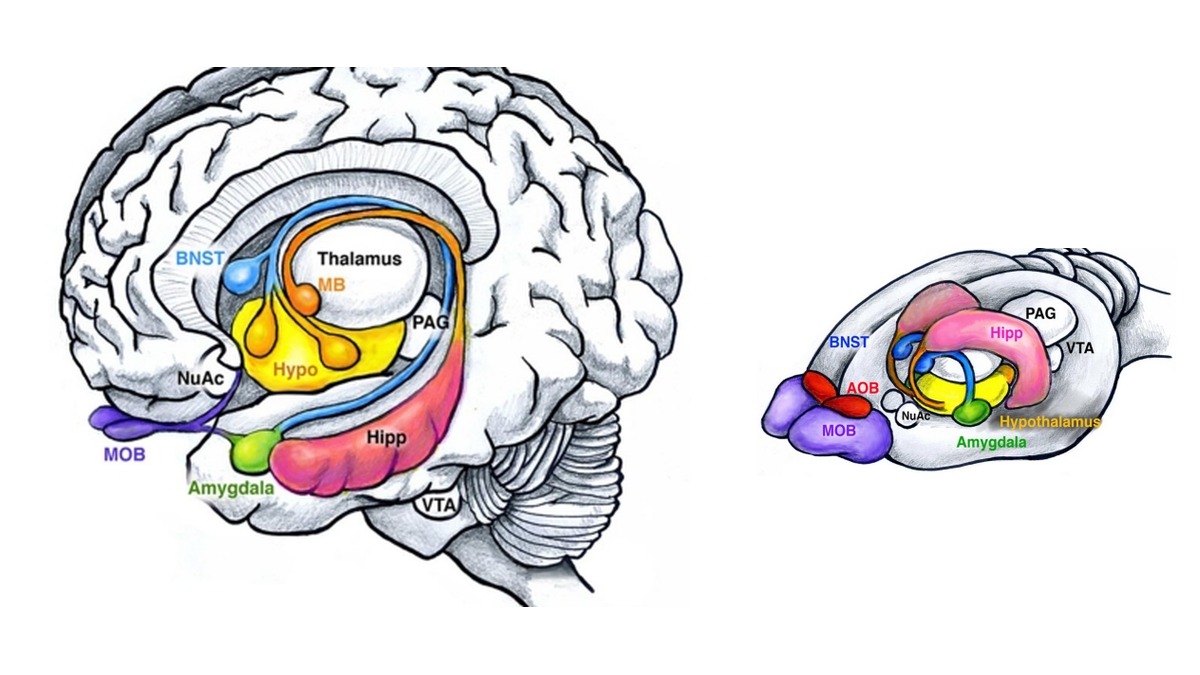
Is addiction a brain disease? What the science actually says
The brain disease model of addiction is often caricatured on both sides. Here's what the evidence supports, and why the framing matters for treatment and stigma.
-
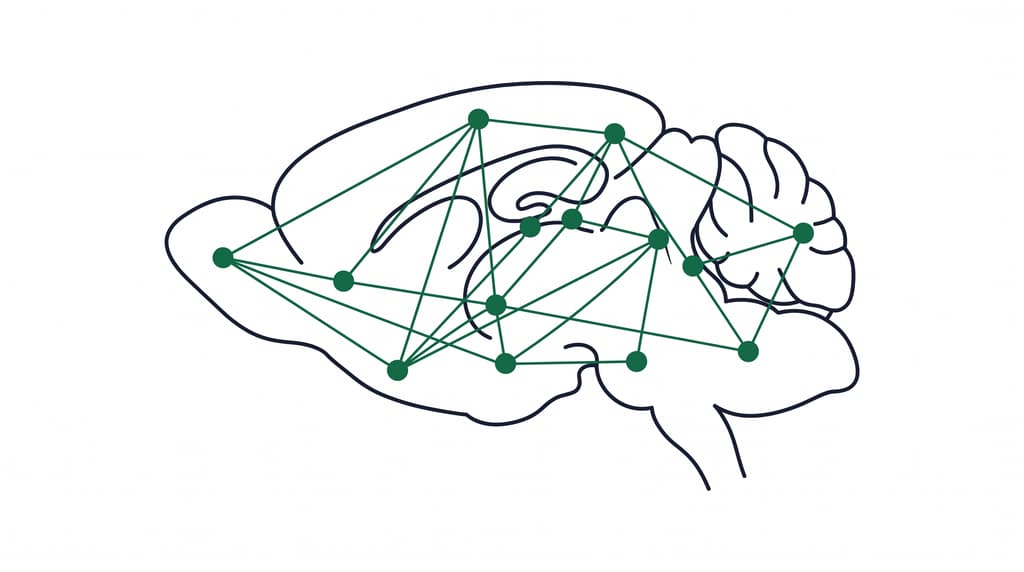
Mapping the addicted brain, one network at a time
New imaging methods can capture the activity of every neuron in an intact brain, revealing how whole-brain networks reorganize during the transition to addiction.
-
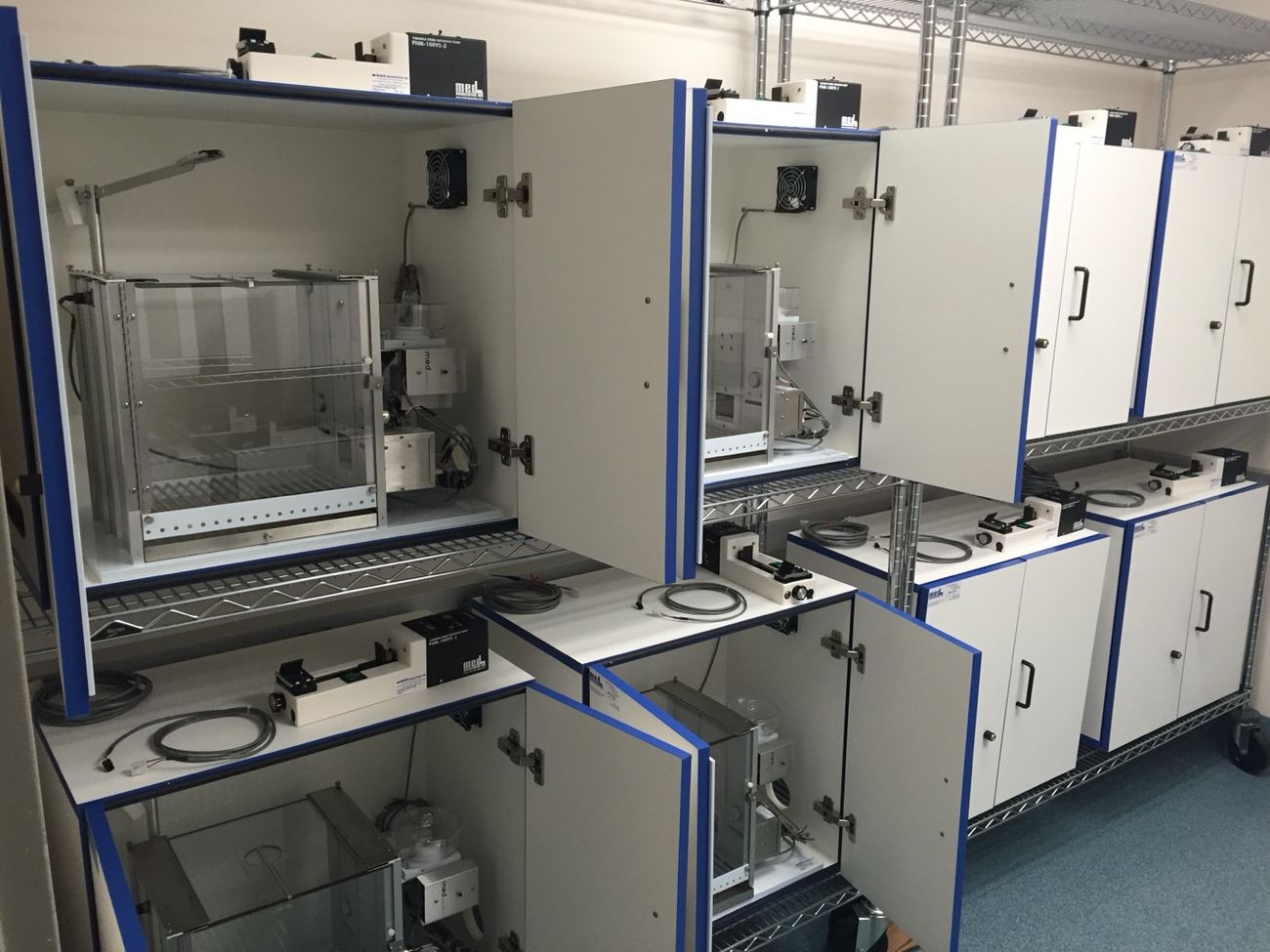
How do you measure addiction in a rat? The Addiction Index explained
Clinicians diagnose substance use disorder with behavioral criteria. Researchers apply the same logic to animals, scoring escalation, motivation, and use despite consequences.
-
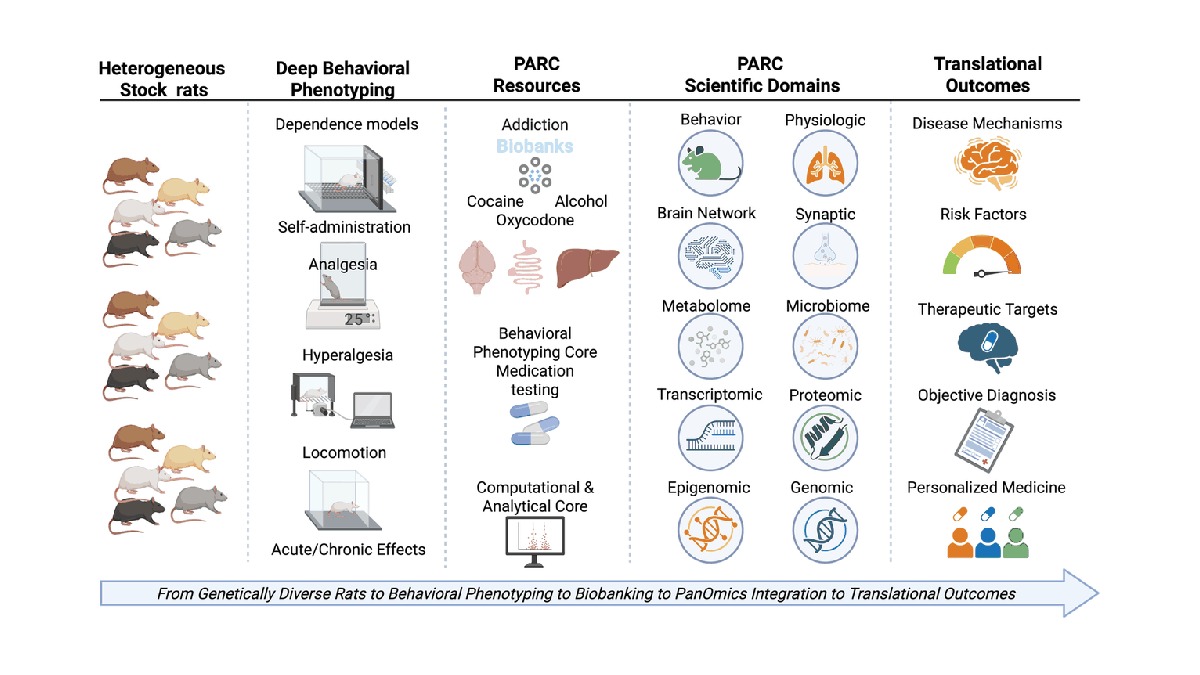
The One-Individual Multiscale Atlas: connecting genes, brain, and body in the same individuals
Biology happens at many scales at once, genes, cells, circuits, organs, behavior. PARC's atlas measures all of them in the same individuals, so the scales can finally be connected.
-
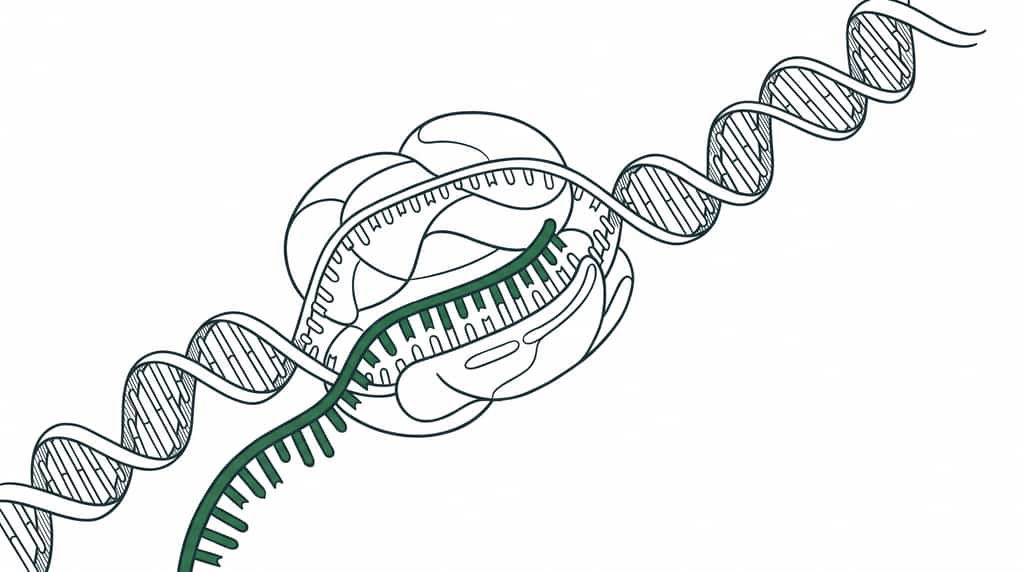
Single-cell transcriptomics: reading the brain's gene programs, one cell at a time
The brain contains hundreds of cell types, each running its own genetic program. Single-cell sequencing reveals how addiction rewrites those programs, cell type by cell type.
-
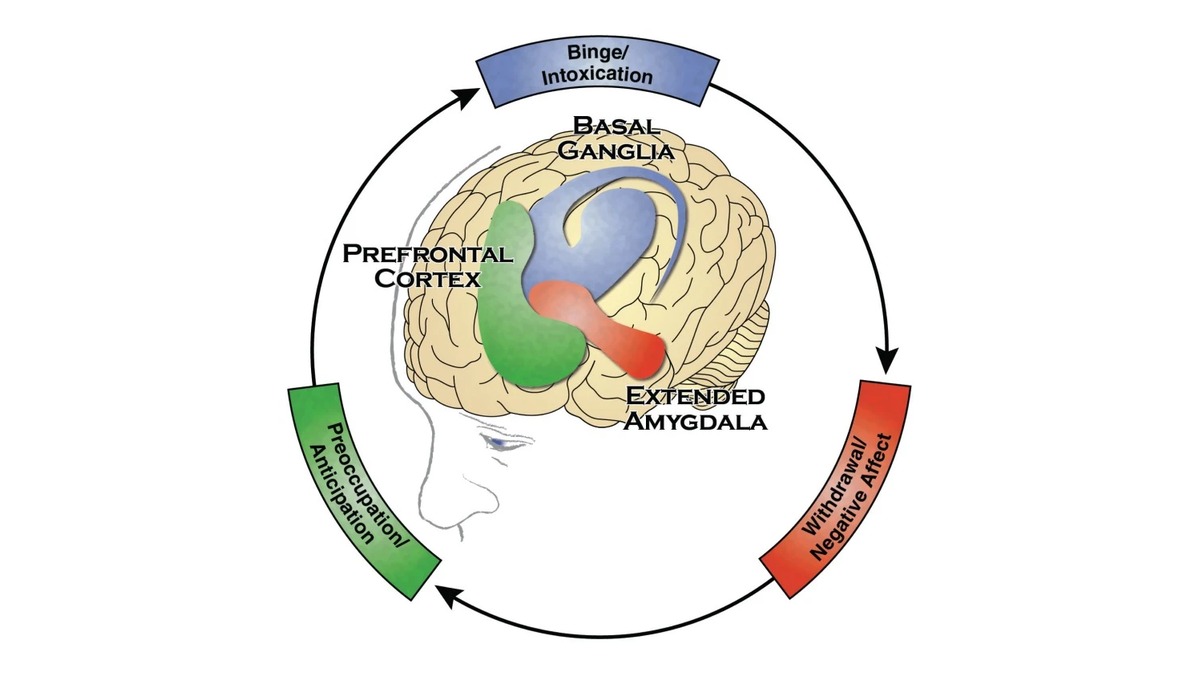
The three-stage cycle: how addiction reorganizes the brain
Binge, withdrawal, craving: the influential three-stage framework explains addiction as a repeating cycle that progressively rewires three brain systems.
-

What is a biobank, and why does addiction research need one?
A biobank is a library of biological samples, but linking every sample to the donor's behavior and genome turns it into a discovery engine any lab in the world can use.
-

What is polysubstance addiction, and why study drugs together?
Most people with a substance use disorder use more than one drug, yet most research studies one substance at a time. Here's why studying addictions together changes the science.
-

Why do only some people become addicted?
Most people who try drugs never lose control over their use. Understanding what protects the majority, and what makes a minority vulnerable, is the central question of addiction science.
-

Why relapse happens: the neuroscience of craving
Relapse after months of abstinence isn't a failure of willpower, it's the predictable output of brain circuits sensitized to cues, stress, and the drug itself.